Pediatric Stroke Awareness Month: What Every Parent and Educator Should Know
- Charley Jo Vaughn
- May 2
- 2 min read

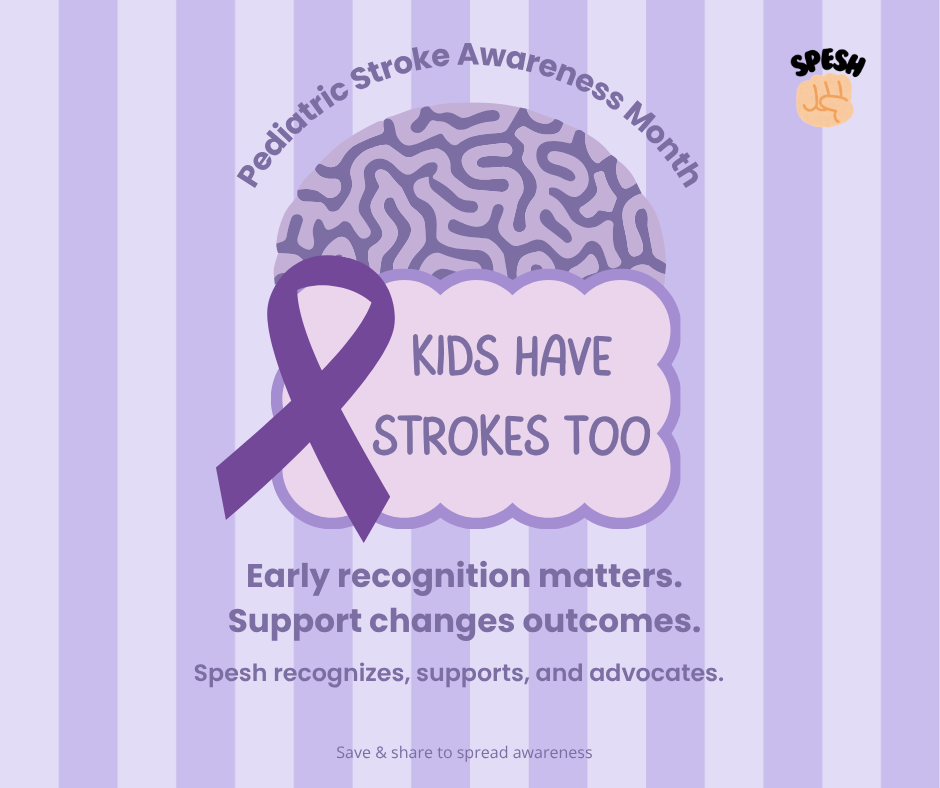
When most people hear the word "stroke," they think of older adults.
But stroke can happen to babies, children, and teens, too.
In fact, pediatric stroke affects thousands of children each year--yet many families and educators have never been taught the signs, long-term impacts, or educational implications.
During Pediatric Stroke Awareness Month, we have an opportunity to raise awareness, improve understanding, and advocate for the support these students deserve.
Pediatric Stroke is Real--and Often Missed
Because stroke is rarely associated with children, symptoms are often overlooked or misattributed.
A child who has experienced a stroke may present with:
Weakness on one side of the body
Delayed developmental milestones
Speech/language difficulties
Vision challenges
Fine and gross motor delays
Fatigue/endurance concerns
Executive functioning deficits
Emotional/behavioral regulation challenges
Learning disabilities that emerge over time
Not every impact is visible immediately.
Some children appear to "recover well" medically, but educational and developmental effects may surface years later.
Why Pediatric Stroke Matters in Schools
A medical discharge does not mean a child no longer needs support.
Many students with pediatric stroke histories require:
Specialized instruction
Related services (OT/PT/SLP)
Classroom accommodations
Executive functioning support
Assistive technology
Behavior or emotional regulation supports
Ongoing reevaluation as demands increase with age
Needs often evolve as academic expectations rise.
A child who managed well in kindergarten may struggle significantly by third or fourth grade when executive functioning, writing, reading comprehension, and independence demands increase.
Parents: Trust What You're Seeing
If your child has a history of pediatric stroke and you notice they are struggling:
Academically
Socially
Behaviorally
Emotionally
With fatigue/endurance
With organization or independence
...it may be time to revisit their supports.
You do not have to wait for failure.
Medical history matters. Developmental history matters. Your observations matter.
Educators: Look Beyond the Label
Many students with pediatric stroke may not "look" like they need support.
They may be:
Bright but inconsistent
Verbally strong but academically behind
Socially capable but emotionally dysregulated
Independent in some setting but overwhelmed in others
When a student has a complex neurological history, teams should consider the whole child--not just grades.
Awareness Leads to Advocacy
Pediatric stroke awareness is about more than recognition.
It's about ensuring children are understood, supported, and given access to the services they need to thrive.
If your child has a history of pediatric stroke and school supports no longer match their needs, it may be time to reassess.
Because progress happens when support matches reality.
Need help understanding what school support may be appropriate after pediatric stroke?
Spesh helps families translate medical/developmental needs into meaningful educational advocacy.
Clarity for parents. Support for educators. Progress for students.
So Very Spesh
IEPs • Inclusion • Real Classroom Practice


Comments